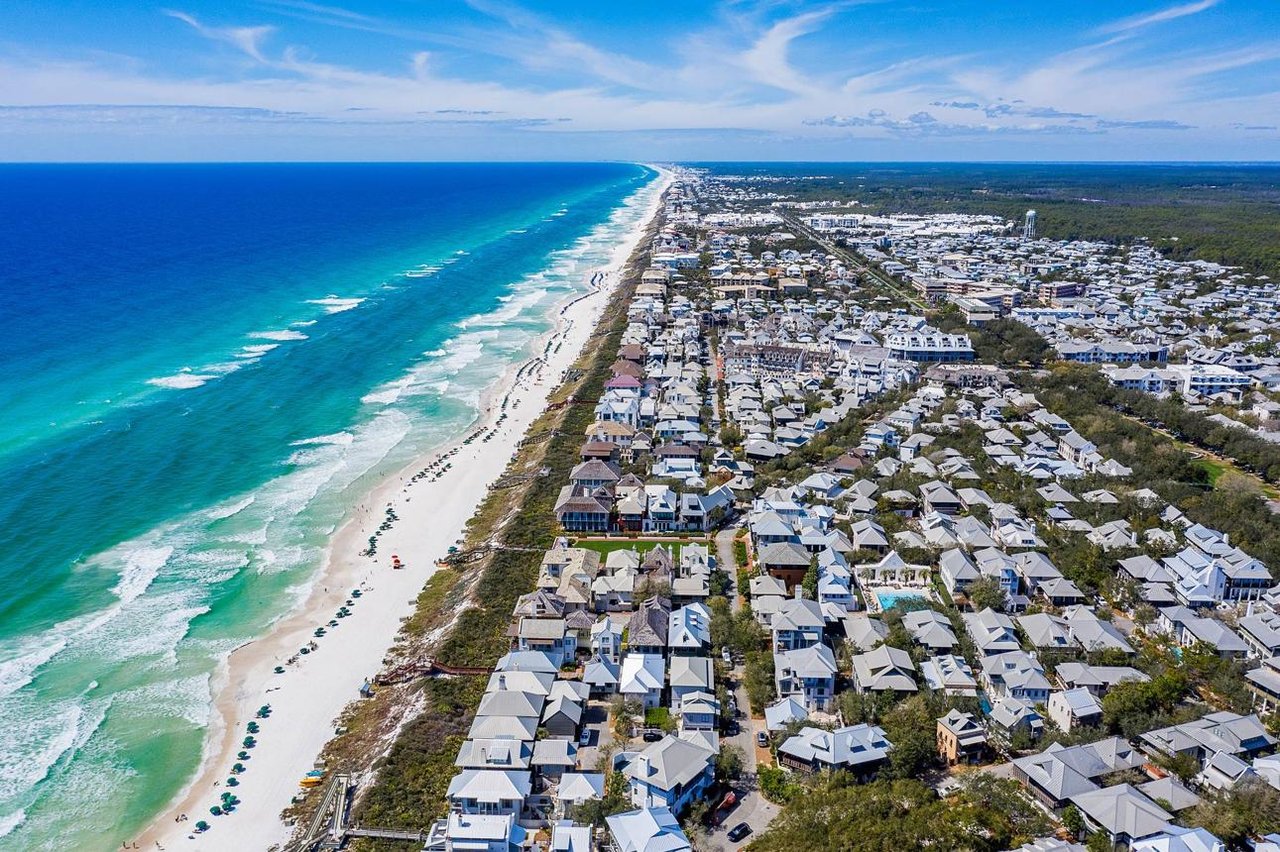
The Truth About Flood Zones and Insurance on Florida’s Emerald Coast
Living along Florida’s Emerald Coast offers something few places can match: beautiful beaches, warmer winters, year round outdoor living, boating, fishing, waterfront communities, and access to the Gulf of America.
But if you're considering buying a primary residence, second home, luxury property, or investment property in Northwest Florida, there is another part of the decision that deserves attention:
Flood risk and insurance.
One of the biggest misconceptions I hear from buyers relocating to Florida is that living near the coast automatically means every property is in a dangerous flood zone or carries extremely expensive flood insurance.
That simply isn't the case.
The truth is much more property specific, and understanding those differences can help you choose where and what to buy with considerably more confidence.
Not Every Emerald Coast Property Has the Same Flood Risk
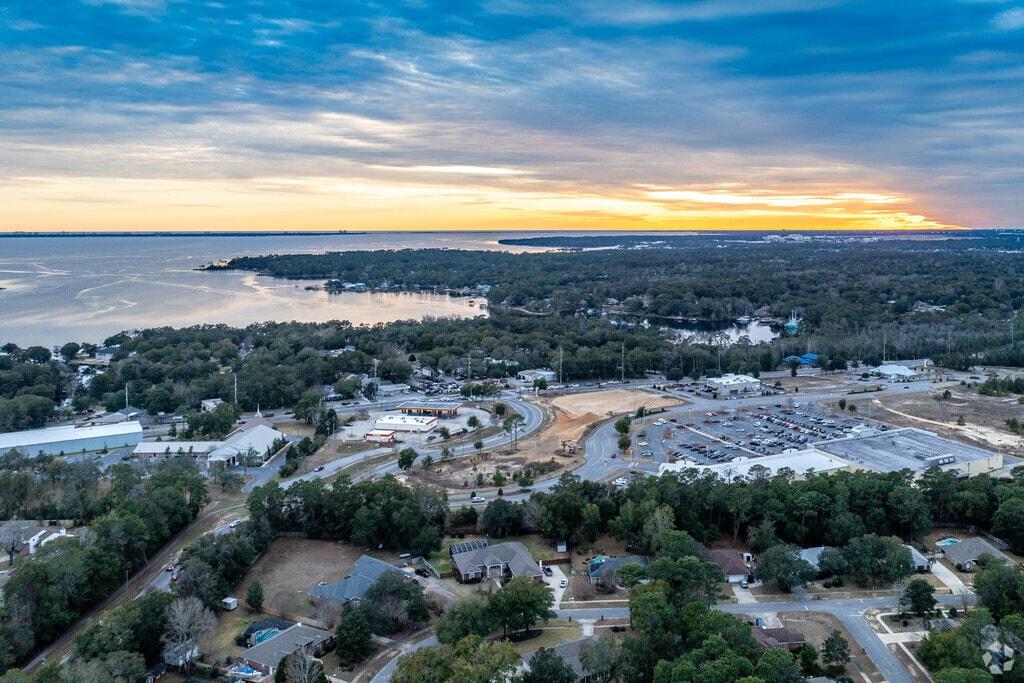
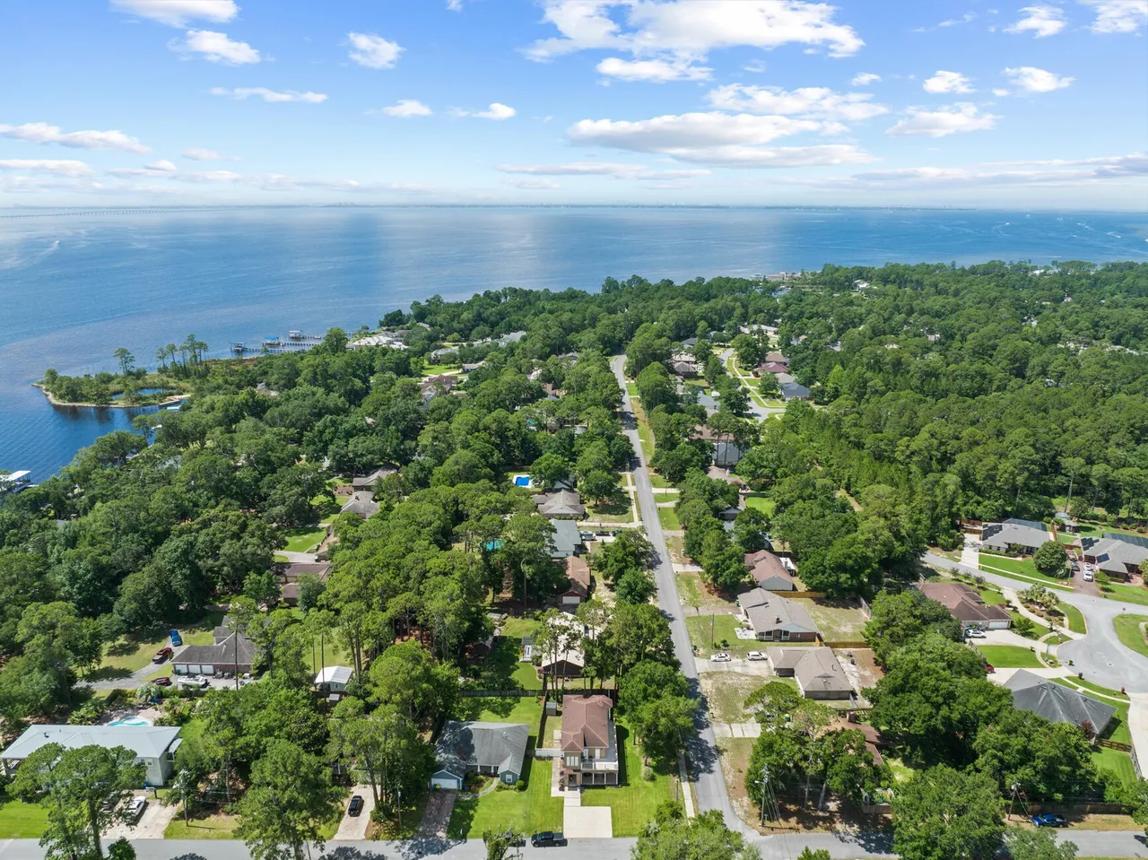
Generally, the closer you get to the Gulf of America, bays, rivers, bayous, and other waterways, the more important coastal flooding and storm surge become when evaluating a property.
But proximity to the water is only part of the equation.
Elevation, drainage, topography, construction, surrounding development, and the property's FEMA flood designation can all influence its overall flood exposure.
That means two homes located only a few miles apart can have very different flood risks and insurance requirements.
This is why I encourage buyers to evaluate the individual property rather than making assumptions about an entire city or neighborhood.
And while coastal living requires some additional due diligence, there is a reason people continue choosing Northwest Florida. With the right property and a clear understanding of the risks and costs, you can enjoy one of Florida's most desirable lifestyles while making an informed real estate decision.
Understanding FEMA Flood Zones
FEMA identifies different levels of flood risk throughout Northwest Florida.
Properties within A and V flood zones are generally considered Special Flood Hazard Areas. V and VE zones have the additional consideration of coastal wave action.
Properties located in Zone X generally represent moderate or lower flood risk.
For buyers financing a property with a federally backed mortgage, flood insurance is generally required when the home is located within a Special Flood Hazard Area.
However, there is an important distinction:
Being outside a high risk FEMA flood zone does not mean there is zero possibility of flooding.
FEMA reports that a meaningful percentage of flood insurance claims occur outside designated high risk areas. That is why flood insurance may still be worth considering even when your lender doesn't require it.
The positive side is that buyers along the Emerald Coast have a tremendous variety of locations, elevations, neighborhoods, and property types to choose from. Understanding the flood map allows you to make those differences work in your favor rather than simply being afraid of living near the coast.
Homeowners Insurance and Flood Insurance Are Different
This is particularly important for buyers relocating to Florida.
Standard homeowners insurance generally does not cover flooding caused by rising water.
Flood insurance is typically separate and may be available through the National Flood Insurance Program or private flood insurance providers.
Insurance costs can also vary substantially from one property to another.
That's why buyers shouldn't simply ask:
“What does insurance normally cost in this neighborhood?”
The better question is:
“What will insurance cost on this specific property?”
Whenever possible, I recommend obtaining insurance quotes during the due diligence period rather than discovering the actual cost just before closing.
Florida insurance requires a little more homework than buyers may be accustomed to in other parts of the country, but once you understand the numbers, you can make a much more confident decision. For many homeowners, that additional planning is a reasonable tradeoff for Florida's climate, outdoor lifestyle, natural beauty, and access to some of the country's most desirable coastal communities.
Florida’s Changing Flood Insurance Requirements
Florida buyers should also understand that flood insurance requirements can extend beyond simply looking at a FEMA flood map.
For example, Citizens Property Insurance Corporation has been phasing in flood insurance requirements for certain policies that include wind coverage, including some properties that may not otherwise fall within FEMA's highest risk flood zones.
Requirements can depend on the policy, property value, insurer, lender, and other circumstances.
For buyers considering higher value properties along the Emerald Coast, insurance should therefore be investigated early in the purchasing process rather than treated as an afterthought.
The good news is that these costs can usually be investigated before you're fully committed to the property. Knowing the numbers early allows you to compare homes based not only on purchase price, but also on the complete cost and lifestyle of ownership.
Why Elevation Matters
One of the most overlooked factors when comparing communities throughout Northwest Florida is elevation.
This becomes particularly interesting when comparing coastal communities with areas farther inland.
Crestview, for example, sits approximately 30 miles inland from the Gulf of America and around 235 feet above sea level, making it one of Florida's higher elevation cities.
That geographic difference can substantially change the type of hurricane related exposure a homeowner needs to consider.
Being farther inland and at a significantly higher elevation can reduce direct exposure to coastal storm surge compared with many low lying properties closer to the Gulf.
That doesn't make Crestview hurricane proof.
Hurricanes can still produce damaging winds, tornadoes, heavy rainfall, power outages, falling trees, and localized flooding well inland.
But that's also what makes Northwest Florida interesting for buyers. You don't necessarily have to choose between enjoying the Emerald Coast lifestyle and living directly on the water.
Communities such as Crestview allow residents to live farther inland and at higher elevations while remaining within driving distance of Destin, the beaches, military installations, shopping, restaurants, fishing, boating, and everything that makes the Emerald Coast such a desirable place to call home.
Coastal Living Is About Understanding the Tradeoffs
None of this means buyers should avoid waterfront or coastal property.
Quite the opposite.
There are extraordinary properties throughout Destin, Miramar Beach, Sandestin, 30A, Niceville, Fort Walton Beach, Crestview, and the surrounding Emerald Coast.
The important thing is understanding what you're purchasing.
A Gulf front condominium, bayfront home, property several blocks from the beach, and house 25 or 30 miles inland can each present a completely different combination of lifestyle, elevation, storm exposure, insurance costs, maintenance considerations, and long term ownership expenses.
For some buyers, waking up to the Gulf of America outside their window is worth the additional considerations.
Others prefer being a little farther inland while remaining close enough to spend the afternoon at the beach, take the boat out, enjoy dinner along the water, and return home that evening.
There isn't one correct answer.
The goal is to understand the tradeoffs and choose the location and property that best fit the way you want to live.
Florida Sellers Have Flood Disclosure Requirements
Florida law requires residential sellers to provide buyers with certain flood related disclosures.
These disclosures can include information concerning known flood damage, previous flood insurance claims, and certain federal flood assistance associated with the property.
That information can be valuable, but it shouldn't replace a buyer's independent due diligence.
When evaluating a property, I want my buyers to understand as much as reasonably possible about the home before their applicable contractual deadlines expire.
Florida's disclosure requirements provide buyers with another layer of information they can use to evaluate a property. Combined with inspections, insurance quotes, flood information, and professional representation, buyers can approach coastal ownership with far more information than simply looking at a house and hoping for the best.
What I Look at When Helping Buyers Evaluate a Property
When I'm helping someone purchase a home along the Emerald Coast, particularly someone relocating from another state, I'm not simply looking at bedrooms, bathrooms, finishes, and how close the property is to the beach.
I want to understand the property itself.
That means considering its location, construction, condition, elevation, flood designation, potential storm exposure, insurance considerations, inspection findings, and how those factors affect the overall ownership picture.
My background gives me a different perspective when evaluating those issues.
I combine decades of property and construction knowledge with real estate experience, strong negotiation, and hands on representation to help buyers and sellers make smart decisions, avoid costly mistakes, and protect their interests from start to finish.
The purpose isn't to scare someone away from buying property in Florida.
It's exactly the opposite.
It's to identify the risks, understand the costs, and eliminate as many surprises as possible so you can confidently enjoy everything that brought you to Florida in the first place.
Before You Buy on Florida’s Emerald Coast
If you're considering purchasing a primary residence, second home, waterfront property, luxury home, or investment property in Northwest Florida, don't evaluate the purchase based on price alone.
Understand the property's FEMA flood designation, elevation, surrounding topography, proximity to the Gulf of America and other waterways, potential storm surge exposure, available flood history, seller disclosures, homeowners insurance costs, flood insurance requirements, wind coverage, construction, condition, and your lender's specific requirements.
Two beautiful homes at similar price points can have very different long term ownership costs and risk profiles.
That doesn't make one property good and the other bad.
It means an informed buyer has an opportunity to decide which combination of location, lifestyle, risk, and cost makes the most sense for them.
Florida isn't without weather and insurance considerations. No state is without its tradeoffs.
But for many people, those considerations are outweighed by what Florida offers every day: warmer weather, year round outdoor living, beautiful beaches, boating and fishing, growing communities, incredible sunsets, and the ability to build a lifestyle around the water instead of waiting months for winter to end.
That's why the most important question isn't simply:
“Can I afford this property?”
It's:
“Do I understand what I'm buying, what it will cost me to own it, and does it give me the Florida lifestyle I'm looking for?”
When you can confidently answer those questions, you're no longer simply buying a house.
You're choosing where and how you want to live.
Brett Hubbs
Broker | Hubbs Realty Co.
When Life Moves You.
Serving buyers and sellers throughout Destin, Miramar Beach, Sandestin, 30A, Niceville, Fort Walton Beach, Crestview, and Northwest Florida’s Emerald Coast.