Why Is My Florida Home Not Selling?
If your Florida home has been sitting on the market without selling, you are probably wondering what went wrong.
Maybe you expected more showings. Maybe buyers have toured the home but no one has made an offer. Maybe the listing started with some activity and then suddenly went quiet.
The truth is, homes are still selling across Florida. When a home sits on the market for an extended period of time, there is usually a reason.
In many cases, it is not just one problem. It is the result of several small issues that were not identified or corrected early enough.
If your home is not selling, here are some of the most common reasons why and what may need to change.
1. Your Agent Does Not Have a Proven System
Most homes that fail to sell do not fail simply because the market is bad.
They often fail because there was not a clear strategy from the beginning.
Selling a home requires more than entering the property into the MLS, taking a few photographs, and waiting for a buyer to appear. It takes a proven system for pricing, preparation, marketing, communication, follow up, negotiation, and making adjustments when the market responds differently than expected.
Ask yourself:
Was your home priced using current market data, or was the price based largely on what everyone hoped it would sell for?
Is your home being marketed to the buyers most likely to purchase it?
Is your agent following up after showings and gathering useful feedback?
Are they monitoring competing listings, new inventory, price reductions, pending sales, and recently sold properties?
Do they have a plan when showing activity slows down or buyers are not making offers?
Many agents are good people who genuinely care about their clients. However, good intentions are not a replacement for experience, strategy, and execution.
An experienced agent should be able to identify problems early and make recommendations before the listing becomes stale.
Selling your home should not depend on luck. It should follow a system.
2. You Did Not Price the Home Correctly From the Start
The price you choose when your home first enters the market can determine whether it sells quickly or sits while buyers move on to other properties.
Many sellers want to start high because they believe they can always lower the price later. The problem is that the first days and weeks on the market are usually when your home receives the most attention from serious buyers and local real estate agents.
If the home is priced too high during that critical period, buyers may not schedule a showing at all. They may compare it to other homes in the same price range and decide those properties offer more space, better updates, a stronger location, or fewer repairs.
By the time the price is reduced, the most motivated buyers may have already purchased another home. The listing has also accumulated days on the market, which can cause new buyers to wonder why it has not sold.
Correct pricing is not about choosing the highest number you can justify. It is about positioning the home where buyers see value and feel motivated to act.
Your asking price should be based on current comparable sales, active competition, pending properties, condition, location, improvements, insurance considerations, and what buyers are actually purchasing today.
You only get one opportunity to introduce your home to the market as a new listing. Pricing it correctly from the beginning gives you the strongest chance of creating urgency, attracting multiple interested buyers, and protecting your final sales price.
3. Other Agents Cannot Easily Show Your Home
One of the biggest factors sellers rarely think about is how easy their agent is to work with.
When a buyer's agent has a question about your property, they often need an answer immediately. They may want to know about the roof, insurance costs, flood zone, HOA restrictions, utility information, occupancy, closing timeline, or whether the seller is willing to negotiate certain terms.
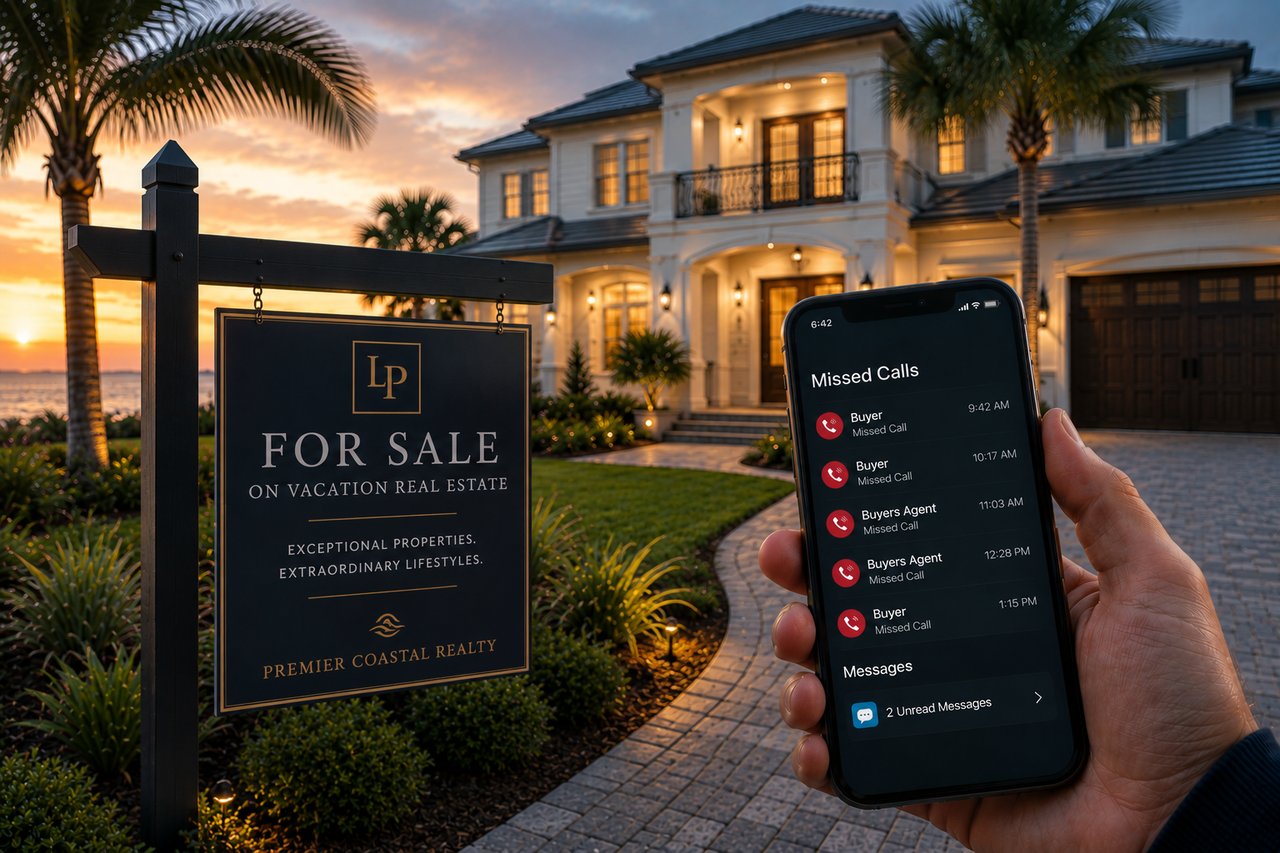
If your agent is difficult to reach, slow to return calls, or takes hours or days to answer questions, that buyer may simply move on to another home.
The same applies to scheduling showings. Buyers are shopping in real time. If an agent cannot quickly schedule an appointment or get the information they need, they will often show another property instead.
Real estate agents remember who is easy to work with and who is not. They naturally gravitate toward transactions where communication is professional, questions are answered promptly, and the process moves smoothly for everyone involved.
Your listing agent should be accessible, responsive, and proactive throughout the entire listing period. They should answer their phone, return calls promptly, communicate with other agents, and remove obstacles that could prevent a buyer from making an offer.
Every missed phone call, delayed response, or unanswered question is a potential missed opportunity to sell your home.
4. Your Home Does Not Show Well Online
Most buyers see your home online before they ever see it in person.
Your photographs, video, listing description, and overall presentation determine whether they schedule a showing or continue scrolling.
Dark photographs, cluttered rooms, poor angles, missing information, and a weak property description can make a good home appear less appealing than it really is.
A strong listing may include professional photography, video, drone photography when appropriate, detailed descriptions, floor plans, social media promotion, direct marketing, and broad online exposure.
If buyers are not clicking on the listing, saving it, sharing it, or scheduling showings, the online presentation may be part of the problem.
5. Buyers See Better Value Somewhere Else
Your home may not be dramatically overpriced, but another property may still appear to be a better value.
A competing home may have a newer roof, updated kitchen, newer heating and cooling system, lower insurance costs, better curb appeal, a larger lot, or fewer visible repairs.
Buyers compare the total package.
When two homes are priced similarly, they often choose the one that appears to require less work, carries fewer unknown expenses, or offers more desirable features.
Your home must compete against every other reasonable option available to that buyer.
6. The Condition Is Turning Buyers Away
Homeowners naturally become accustomed to the condition of their property.
Buyers see it for the first time.
They may notice worn flooring, damaged trim, stained walls, outdated fixtures, overgrown landscaping, strong odors, clutter, roof concerns, moisture issues, or deferred maintenance.
A single minor issue may not stop a sale. Several issues together can create doubt.
Once buyers begin wondering what else has not been maintained, they may decide that another home feels like a safer purchase.
Preparing the property properly before listing can help remove distractions and make buyers feel more confident.
7. The Home Is Not Being Marketed to the Right Buyers
Not every home should be marketed the same way.
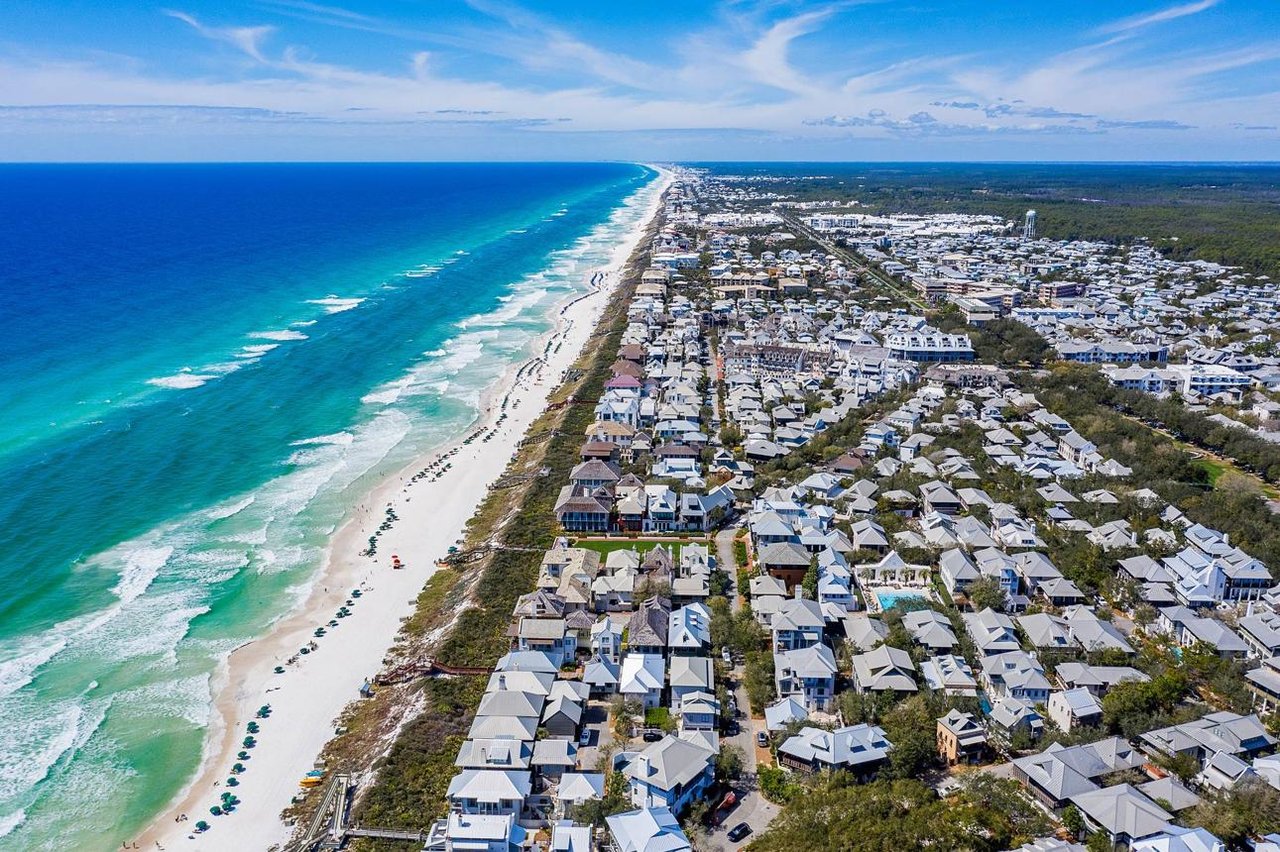
A waterfront property in Destin requires a different strategy than a family home in Crestview. A condominium in Fort Walton Beach may appeal to a different audience than acreage in Baker or a luxury home along 30A.
Effective marketing begins with understanding who the likely buyer is.
Is the property best suited for a local buyer, military relocation, retiree, investor, second home buyer, family, or someone moving from another state?
Once that audience is identified, the marketing should be designed to reach them.
Simply placing a home online does not guarantee that it is being seen by the people most likely to buy it.
8. Showing Activity Is Too Low
The number of showings your home receives can provide important information.
If there are very few showing requests, the issue is often connected to price, marketing, location, condition, or the way the property appears online.
If there are many showings but no offers, buyers may be seeing something in person that is not meeting their expectations.
Showing activity and feedback should be reviewed regularly. It should not be ignored or explained away.
The market is constantly giving you information. Your agent should know how to interpret it.
9. Your Listing Has Become Stale
Buyers pay attention to how long a home has been on the market.
When a property sits for an extended period, buyers may begin wondering whether something is wrong with it. They may assume the seller is unwilling to negotiate, the home has hidden problems, or the property is overpriced.
Long market time can also encourage lower offers because buyers believe the seller may be becoming more motivated.
This is why it is important to respond early when the listing is not performing as expected.
Waiting too long to adjust the strategy can make the home more difficult to sell later.
10. The Market Has Changed
Sometimes the issue is not the home itself.
The market may have shifted after the property was listed. Inventory may have increased, mortgage rates may have changed, insurance costs may be affecting affordability, or buyer demand may have slowed.
Florida buyers are often looking at more than the purchase price. They may also be considering homeowners insurance, flood insurance, property taxes, association fees, maintenance costs, and the total monthly payment.
A pricing and marketing strategy that worked several months ago may not work in the current market.
Successful sellers adjust to the market they are in, not the market they wish they were in.
What Should You Do If Your Florida Home Is Not Selling?
Start by reviewing the facts.
Look at the number of showings, buyer feedback, online activity, competing listings, recent sales, price reductions, and properties that have gone under contract since your home was listed.
Then determine whether the current strategy is producing results.
Your agent should be able to explain what is happening, why it is happening, and what should be done next.
Sometimes the answer is a pricing adjustment. In other situations, the home may need repairs, improved presentation, new photography, stronger marketing, or a complete relaunch.
The important thing is to identify the real problem instead of continuing with the same approach and hoping for a different result.
Selling a Home Along Northwest Florida’s Emerald Coast?
Every property and community requires a different strategy.
What works in Destin may not work in Crestview. Marketing a waterfront property in Miramar Beach is different from selling acreage in North Crestview, a condominium in Fort Walton Beach, or a luxury home along 30A.
The pricing, preparation, and marketing strategy should be built around your specific property, neighborhood, competition, and likely buyer.
If your home has been sitting on the market, it may be time for a new opinion.
I will walk through the property, review the current competition, evaluate the pricing and marketing strategy, and give you an honest assessment of what it's going to take to get it sold.
The goal is not simply to put your home back on the market.
The goal is to create a clear plan to get it sold.
Brett Hubbs
Broker and Founder
Hubbs Realty Co.
850-714-3214
Helping people navigate significant life transitions through real estate.