
How to Interview a Real Estate Agent
The Questions Every Buyer and Seller Should Ask Before Choosing an Agent
Choosing a real estate agent is an important decision. Whether you are buying your first home, selling a property, relocating, investing, or navigating another major life transition, the agent you choose can directly affect both your experience and your results.
A real estate license alone does not tell you how someone communicates, negotiates, solves problems, or responds when a transaction becomes complicated. That is why interviewing an agent before making a commitment is worth the time.
The goal is not simply to find someone who is friendly or available. You are looking for a knowledgeable professional who understands your goals, has a clear process, and is prepared to represent your best interests from beginning to end.
Here are some of the most important questions to ask when interviewing a real estate agent.
1. What Types of Real Estate Transactions Have You Handled?
Not every real estate transaction is the same. Buying a first home, selling a luxury property, relocating across the country, purchasing an investment property, or selling land can each present different challenges.
Ask the agent what types of clients and properties they have represented. Experience with buyers, sellers, relocation clients, investors, luxury homes, waterfront properties, land, commercial real estate, or difficult transactions may provide valuable perspective.
You should also ask how the agent’s background will benefit you. Construction knowledge, investment experience, relocation expertise, or advanced negotiation experience can be especially helpful depending on your situation.
Listen for specific examples of how the agent has solved problems, protected a client’s interests, or helped a transaction move forward when challenges arose.
2. How Much Real Estate Experience Do You Have?
Experience should not be measured only by how long an agent has worked in one neighborhood or city. An agent with experience across different markets may bring a broader understanding of pricing, negotiation, marketing, relocation, financing, and changing market conditions.
Ask how long the agent has been in real estate, how many clients they have represented, and what types of transactions they have successfully handled. Experience with buyers, sellers, relocation clients, investment properties, luxury homes, land, and challenging transactions can provide valuable perspective.
An agent who has worked in multiple markets may also have a stronger understanding of where buyers are moving from, what motivates them, and how real estate trends differ throughout the country. This can be especially valuable when representing relocating buyers or marketing a property to a wider audience.
Local information can be researched, but experience, judgment, negotiation skills, and the ability to solve problems are developed over time through successfully handling real transactions.
3. What Is Your Communication Process?
Communication is one of the most common sources of frustration in real estate.
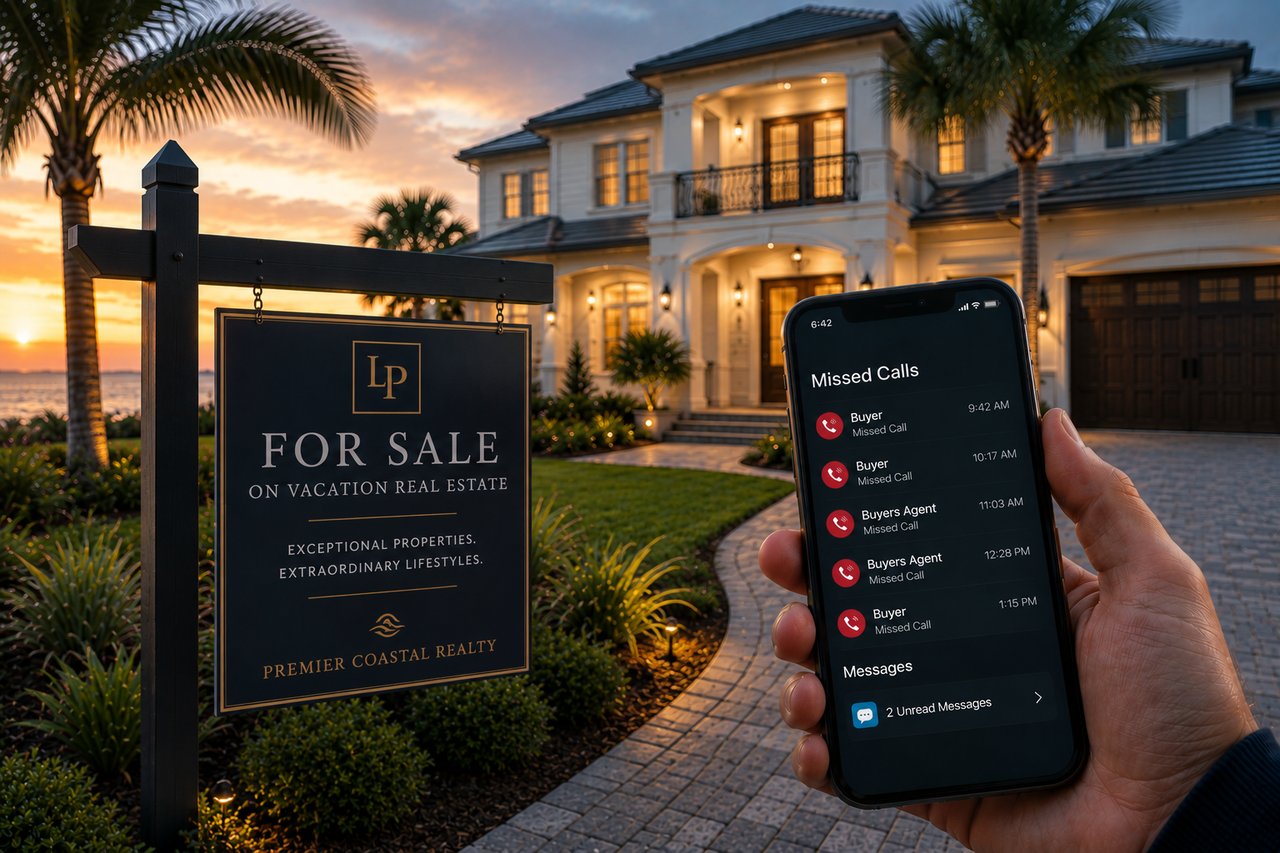
Ask how often the agent will update you, how quickly they typically respond, and whether they prefer phone calls, text messages, or email. You should also ask whether you will communicate directly with the agent or primarily with an assistant or team member.
There is nothing wrong with an agent having support, but you should understand who will be responsible for answering your questions, scheduling appointments, negotiating offers, and managing important deadlines.
Look for an agent who sets clear expectations and communicates proactively, especially when challenges arise.
4. What Is Your Process for Buyers or Sellers?
Professional agents should have a defined process.
A buyer’s agent may begin with a consultation to discuss your goals, preferred locations, budget, financing, timeline, and property requirements. That conversation helps the agent understand what you are looking for before scheduling showings or writing offers.
A listing agent should be able to explain how they evaluate the property, recommend a pricing strategy, prepare the home for the market, promote the listing, screen potential buyers, manage showings, and negotiate offers.
Be cautious if the agent’s entire plan is simply to put the property online or immediately begin opening doors. A clear process creates accountability and helps prevent important details from being overlooked.
5. How Will You Help Me Determine the Right Price?
Determining the right listing price requires more than pulling a few recent sales and choosing a number. A real estate agent should be able to analyze the available information, form a clear pricing recommendation, and confidently explain the reasoning behind it.
Ask the agent what factors they consider when recommending a listing price. Their analysis should include recent comparable sales, current competition, market conditions, property condition, location, improvements, buyer demand, and any features that may positively or negatively affect the home’s value.
Strong presentation skills are also important. The agent should be able to organize the facts, explain how the comparable properties relate to your home, and present the recommended price in a way that is clear and easy to understand. You should leave the conversation knowing exactly how the agent reached their recommendation.
Be cautious of an agent who simply agrees with the price you want or recommends an unusually high number without supporting it with facts. Some agents may suggest an unrealistic price to secure the listing, only to recommend reductions later after the property has lost valuable time and momentum.
The right agent will not just give you a number. They will provide a well-supported pricing strategy, clearly communicate the reasoning behind it, and help you make an informed decision based on the market rather than emotion.
6. How Do You Approach Negotiations?
Negotiation is one of the most valuable services a real estate agent provides.
The purchase price is only one part of an offer. Other terms may include closing costs, repairs, inspection periods, financing contingencies, appraisal protection, possession dates, personal property, and closing timelines.
Ask the agent how they prepare for negotiations and how they determine which terms matter most. You want someone who can remain calm, communicate clearly, protect your position, and continue working toward a successful agreement.
Strong negotiation is not about being unnecessarily aggressive. It is about understanding the situation, identifying leverage, presenting a clear argument, and knowing when to push and when to find a reasonable solution.
7. How Will You Market My Property?
If you are selling a home, ask for specific details about the marketing plan.
Professional photography and placement in the Multiple Listing Service are important, but they should not be the entire strategy. Depending on the property, marketing may include video, social media, targeted digital advertising, email promotion, direct outreach, agent networking, relocation exposure, and placement on major real estate websites.
Ask how the agent plans to present your home, who the likely buyer is, and how the marketing will reach that audience.
You should also ask how the agent will provide feedback, track activity, and adjust the strategy if the property is not receiving the expected response.
8. Can You Provide Reviews or References?
Online reviews can provide valuable insight into an agent’s reputation and the experiences of previous clients.
Look beyond the star rating and read what people say about communication, responsiveness, honesty, negotiation, and problem-solving. Reviews that describe specific situations are often more helpful than brief comments.
You may also ask the agent for references, especially if your transaction involves a unique situation such as a relocation, luxury property, investment purchase, waterfront home, land sale, or simultaneous purchase and sale.
A consistent history of positive client experiences is a strong indicator of how the agent conducts business.
9. What Challenges Do You Expect in My Situation?
A trustworthy agent should be willing to discuss potential challenges rather than promising that everything will be easy.
For a seller, those challenges may involve pricing, property condition, competition, insurance, financing requirements, or buyer expectations.
For a buyer, the challenges may include limited inventory, multiple-offer situations, property insurance, inspections, appraisals, or loan requirements.
The purpose of this question is not to focus on what could go wrong. It is to determine whether the agent is thinking ahead and preparing for possible obstacles.
An experienced professional should be able to identify potential risks and explain how they would address them.
10. Why Should I Choose You?
This question gives the agent an opportunity to explain what makes their approach different.
Listen for specific qualities rather than a general sales pitch. The agent may emphasize communication, negotiation, experience, construction knowledge, availability, marketing reach, transaction management, or a proven process.
The answer should ultimately focus on how those qualities benefit you.
You are not simply hiring someone to schedule showings or place a sign in the yard. You are choosing a representative who will help you evaluate important decisions, manage risk, negotiate on your behalf, and guide you through the transaction.
Red Flags to Watch For
Pay attention to how the agent responds during the interview.
Be cautious if the agent avoids direct questions, pressures you to make an immediate commitment, promises an unrealistic price, cannot explain their process, or speaks negatively about every other professional in the business.
You should also be concerned if the agent appears distracted, consistently interrupts you, or spends more time talking about themselves than learning about your goals.
A good interview should feel like a two-way conversation. The agent should ask thoughtful questions about your timeline, priorities, concerns, and expectations.
Interview More Than One Agent
It is reasonable to speak with more than one real estate professional before making a decision.
Comparing agents can help you understand different approaches, marketing strategies, communication styles, and levels of experience. The goal is not necessarily to choose the agent who offers the lowest commission, recommends the highest price, or tells you exactly what you want to hear.
Choose the person who demonstrates honesty, preparation, professionalism, and a clear understanding of your goals.
Trust Experience, but Also Trust the Process
The right real estate agent should help you feel informed rather than pressured.
They should be able to explain the process, answer difficult questions, provide honest advice, and remain accessible throughout the transaction. You should feel confident that the agent will protect your interests, communicate clearly, and address problems when they arise.
Buying or selling real estate often represents more than a financial transaction. It may be connected to a relocation, retirement, growing family, career change, investment decision, or another significant life transition.
Taking the time to interview your agent can help ensure that you have the right professional beside you when it matters most.
Looking for an Experienced Real Estate Agent?
Brett Hubbs, Broker and Founder of Hubbs Realty Co., helps buyers and sellers navigate significant life transitions through real estate. With nearly 10 years of real estate experience across multiple markets, more than 25 years of construction knowledge, and over 100 personal five-star reviews, Brett provides clear communication, thoughtful strategy, experienced negotiation, and direct involvement throughout the process.
Whether you are buying, selling, relocating, or investing along Northwest Florida’s Emerald Coast or in Michigan, contact Hubbs Realty Co. to schedule a confidential real estate consultation.
When Life Moves You.